How Often Should You Sealcoat? A Guide for Businesses and Homeowners
Is your driveway or parking lot looking sad? Want to make it look like new? Asphalt sealcoating is an integral part of maintaining the longevity and durability of asphalt surfaces, whether it’s a driveway, parking lot, or walkway. Regularly applying sealcoat protects these surfaces from the damaging effects of weather, traffic, and various other environmental factors. However, the frequency of sealcoating largely depends on the specific conditions and level of wear and tear experienced by the surface. This article explores the factors determining how often you should sealcoat, offering valuable insights for businesses and homeowners.
Business Sealcoating
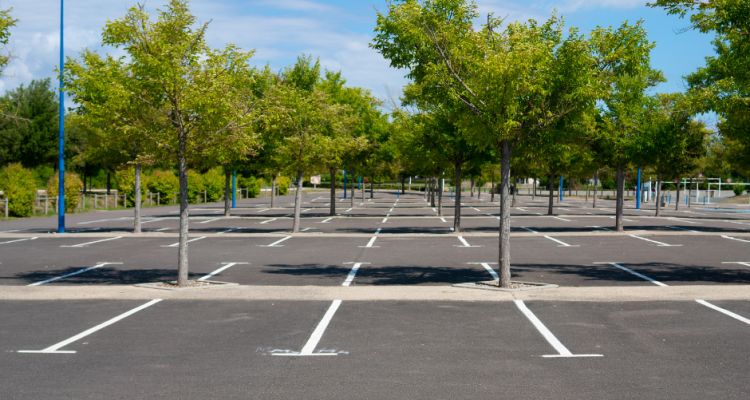
For high-traffic parking lots or expansive asphalt surfaces, businesses should typically be sealcoating every 1 – 2 years. The frequency may be even higher if the area is subject to extreme weather conditions, such as intense sunlight, heavy rainfall, or freezing temperatures. By staying proactive with sealcoating, businesses can prevent cracks, potholes, and deterioration, ultimately saving on costly repairs and extending the life of the pavement.
Residential Sealcoating
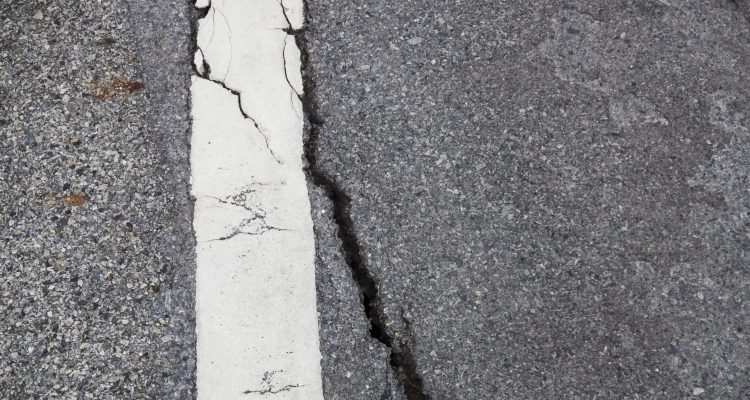
On the other hand, homeowners with smaller asphalt driveways and walkways may only need to sealcoat every 2 – 4 years, depending on the usage and its exposure to the elements. Regular visual inspections can help determine when asphalt sealcoating is necessary, fading color, surface cracks, or water pooling. By addressing these signs promptly, homeowners will maintain the home’s curb appeal and structural integrity of their asphalt surfaces.
Harsh Weather Regions
In regions with severe winters or extreme temperature fluctuations, the freeze-thaw cycle can significantly impact the condition of asphalt surfaces. As a result, more frequent sealcoating may be required to combat the expansion and contraction caused by these temperature changes.
Sealcoating Product Differences
Additionally, considering the type of sealcoat product used is crucial for determining the appropriate reapplication schedule. While traditional coal tar sealers have been the standard for many years, newer alternatives like asphalt emulsion sealers and environmentally friendly options offer different levels of protection and longevity. Understanding the characteristics and expected lifespan of the chosen sealcoat product can help create an accurate reapplication timeline.
When to Apply Sealcoating
It’s important to emphasize that sealcoating needs to be performed during the right weather conditions for optimal results. Ideally, temperatures should be above 50°F with no forecasted rain for at least 24-48 hours after application. Optimal weather conditions ensure proper curing and adherence to the asphalt surface, leading to a more effective and long-lasting sealcoat.
The frequency of sealcoating for businesses and homeowners varies based on traffic volume, environmental conditions, surface size, and the type of asphalt sealcoating used. By staying attentive to these factors and conducting regular inspections, businesses and homeowners can establish a proactive sealcoating schedule that protects their investment and maintains the aesthetics and functionality of their asphalt surfaces.
Work With Charlotte Paving & Sealcoating
Are the asphalt surfaces at your home or business getting cracks and potholes? Then, it is time for a facelift, and Charlotte Paving & Sealcoating can help. Our team can quickly have your surfaces look new again. Reach out today for a free quote!